
One Sunday, my friend announced that we were going out for the day. I asked where we were going to which he replied, “I’m not telling you because you’ll start Googling it!”
Excitedly, I went with the flow.
As we got closer to our secret destination, I saw a sign for Avoncroft Museum of Historic Buildings and asked if that was where we were going. It was!
The museum has saved, restored, and re-erected bound-for-destruction buildings from across the Midlands. It’s fascinating to see all these different structures, some of which are up to 700 years old.
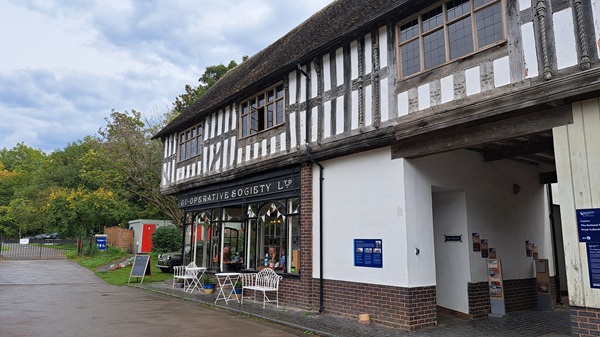
We started with the obligatory coffee and cake at the tearooms. Inside, the rooms had different styles of tables and chairs. Nothing matched, but they all added such charm to the building.
We picked up a map of the grounds and followed the paths.
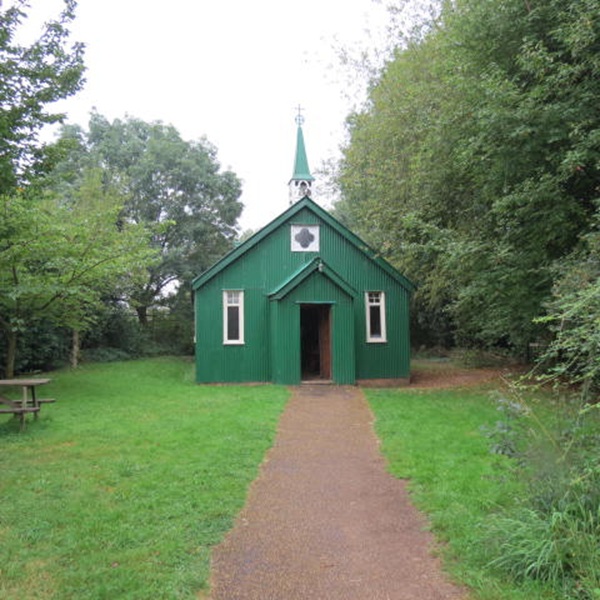
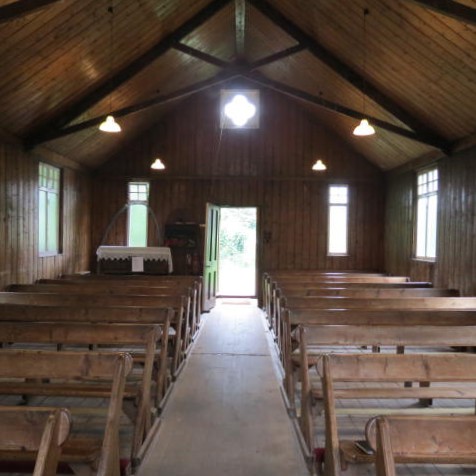
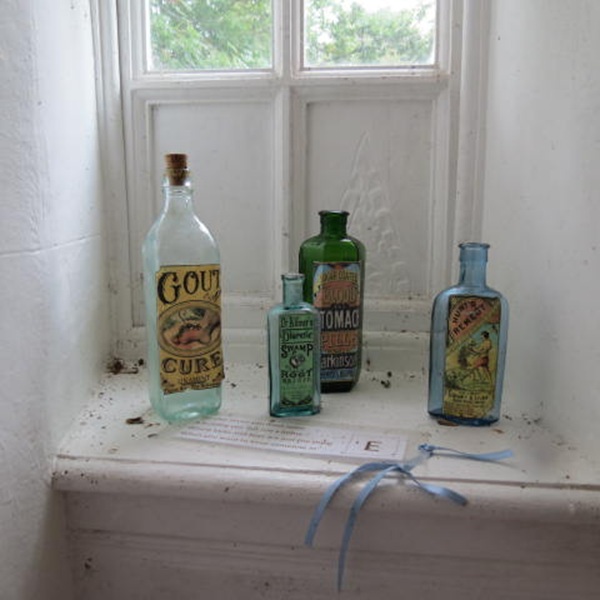
The mission church was built in 1891 and cost just £70, a massive amount of money back then. Formed of wood inside and iron outside, it was known as the Tin or Iron Church.
An airing shelter from a Worcestershire hospital, where patients could sit, rest and enjoy the fresh air in this open-sided structure.
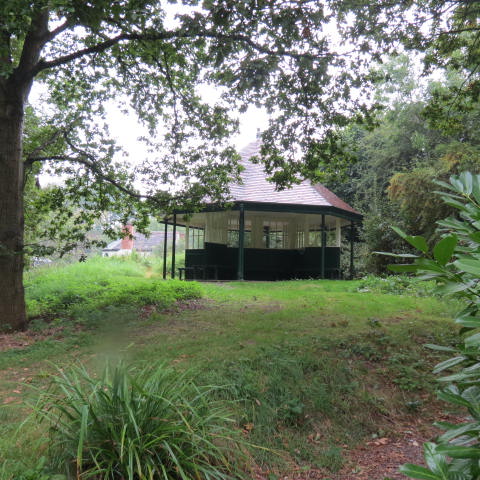
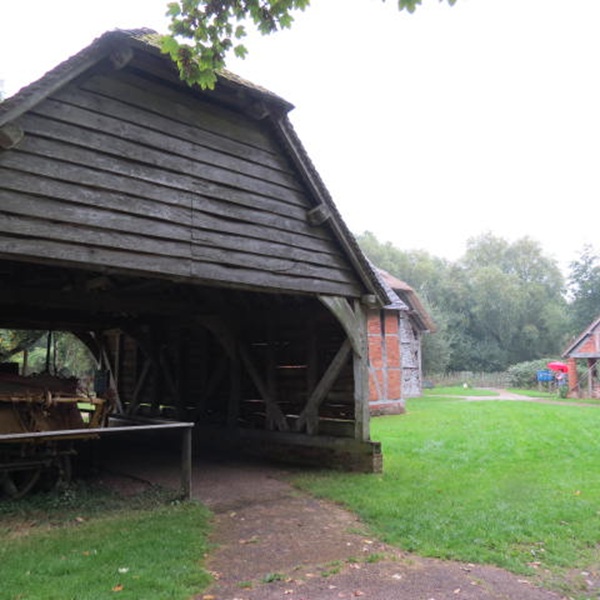
A threshing barn from the 16th century where the grains would be separated or “threshed” away from the main plant using a hand tool.
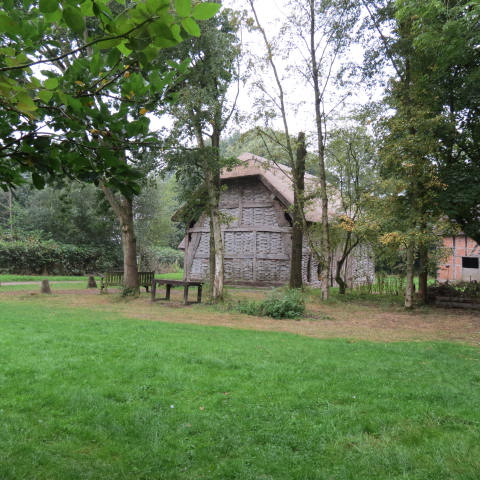
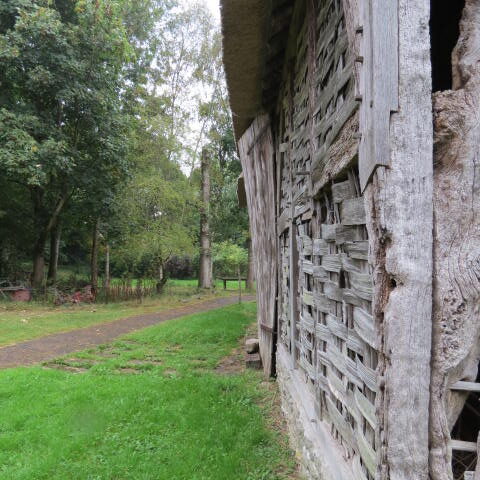
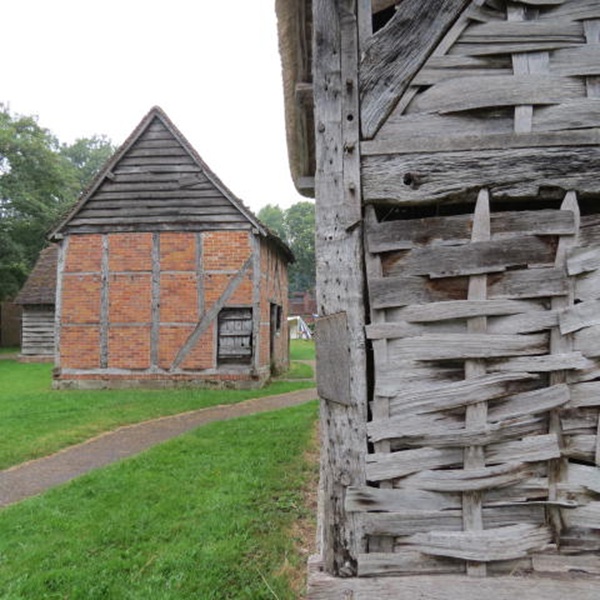
The stable is to the left of the barn where the working horses of the 18th century would be kept.
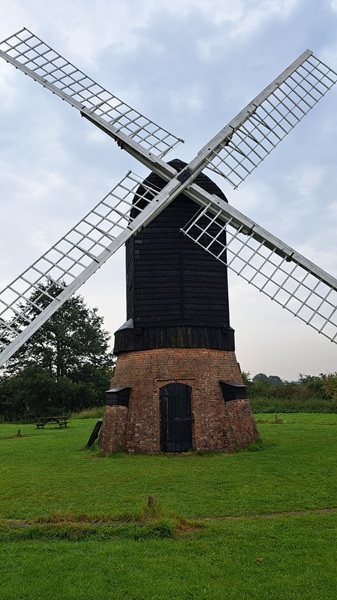
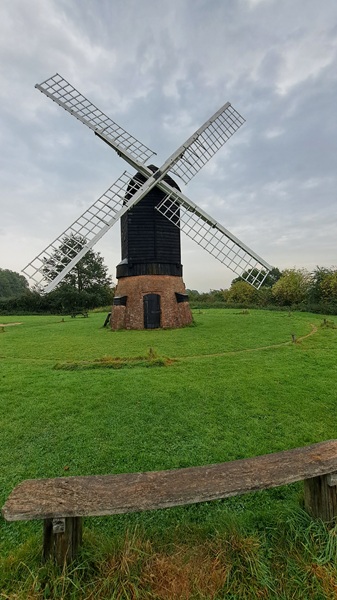
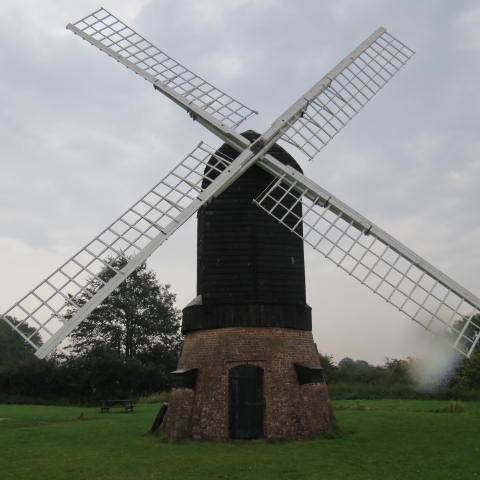
Located in a large open space is this windmill, built in 1830 and dismantled in 1969. It took 7 years to be restored to its full glory.
The granary, built in the 18th century was used to store crops and also carts used around the farm.
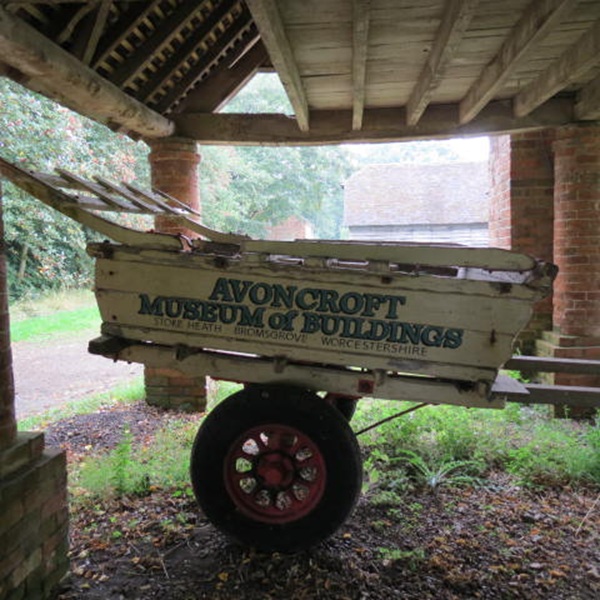
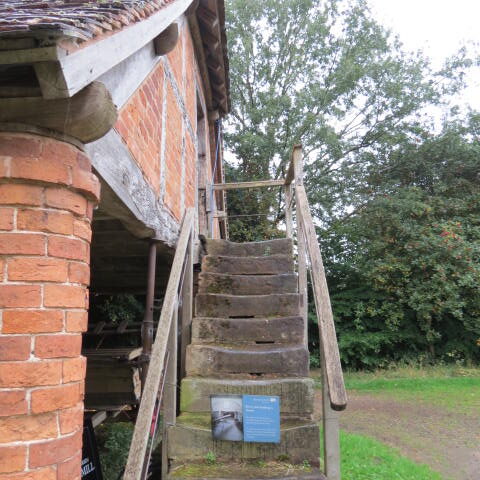
The wagon shed is thought to have been build around 1736 due to an inscription on the structure which read DB. 21.4.36 and the re-erected building has an original piece of elm wood.
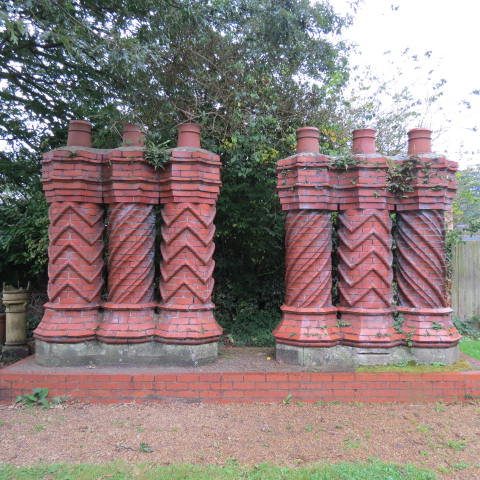
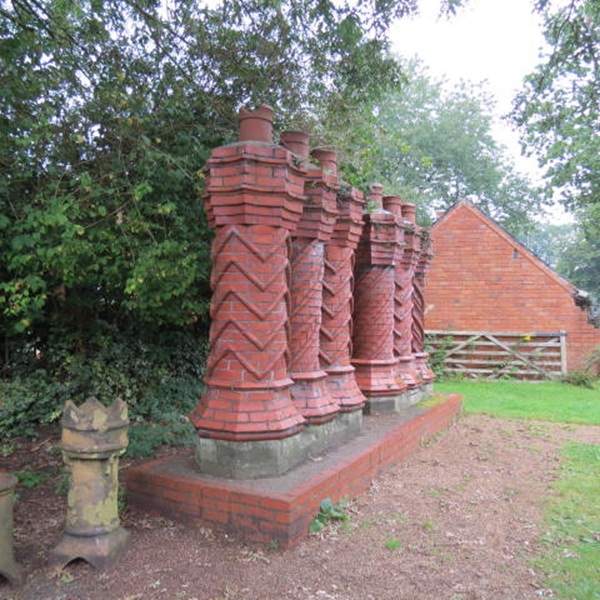
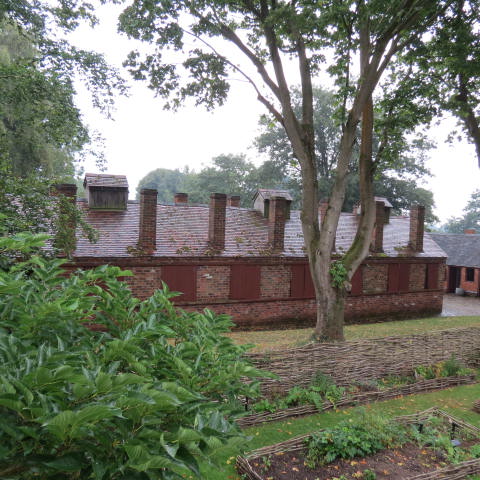
These decorative twisted-brick chimneys caught my eye. They have been at Avoncroft since 1976 when they were loaned to the museum after being rescued from their original location in Cardiff.
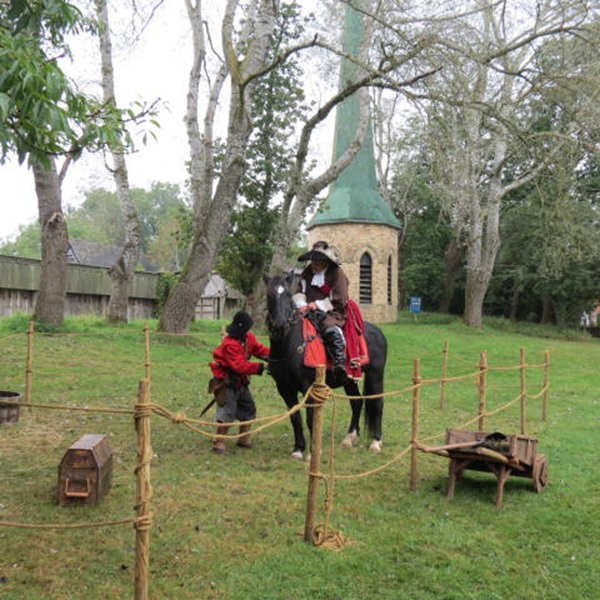
As you walk around the grounds, there are re-enactments with people dressed in the clothes of the time, acting out what life would have been like, and talking to visitors about the history.
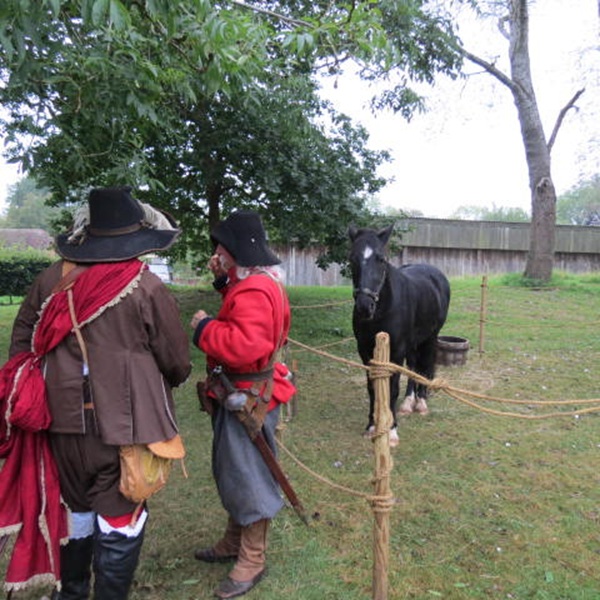
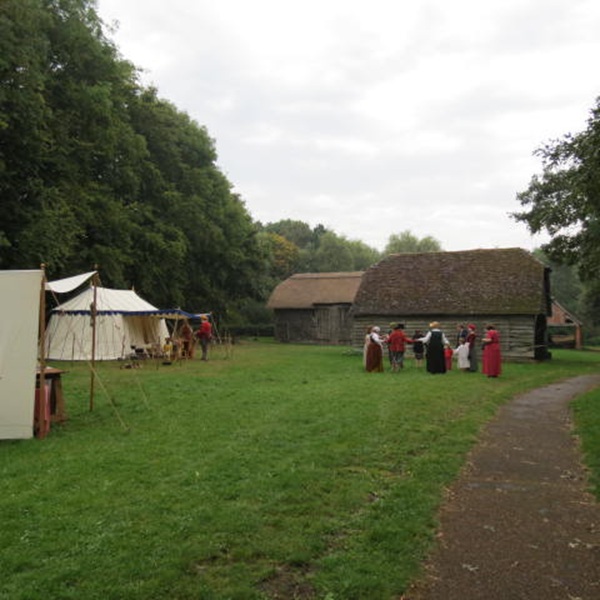
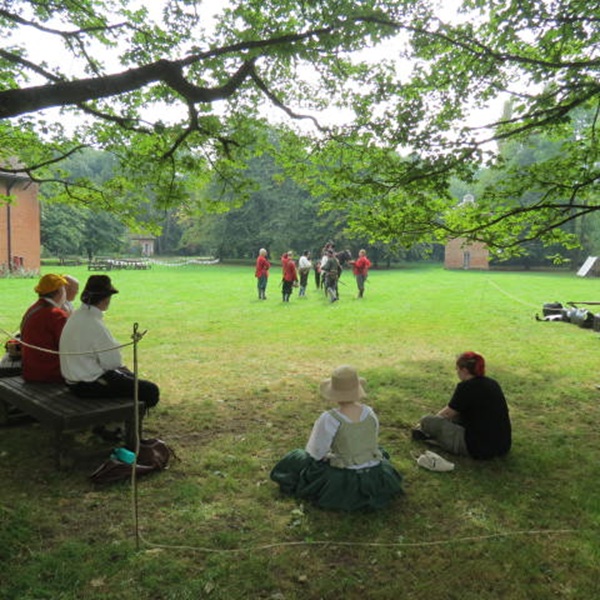
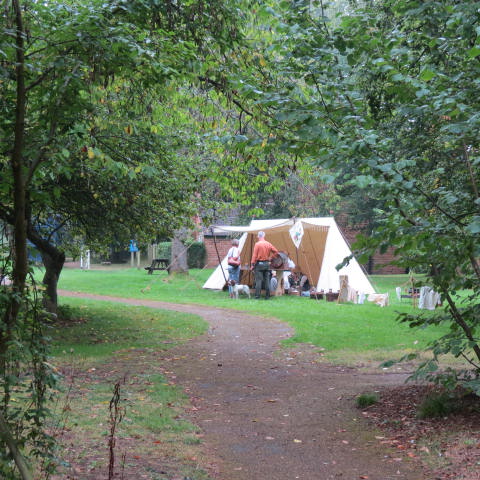
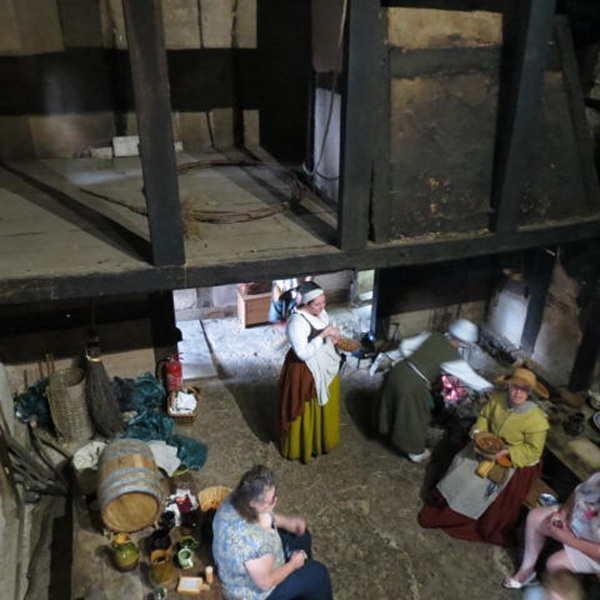
Inside the town house, there were also people re-enacting how they would have dressed, cooked and lived during the 14th century.
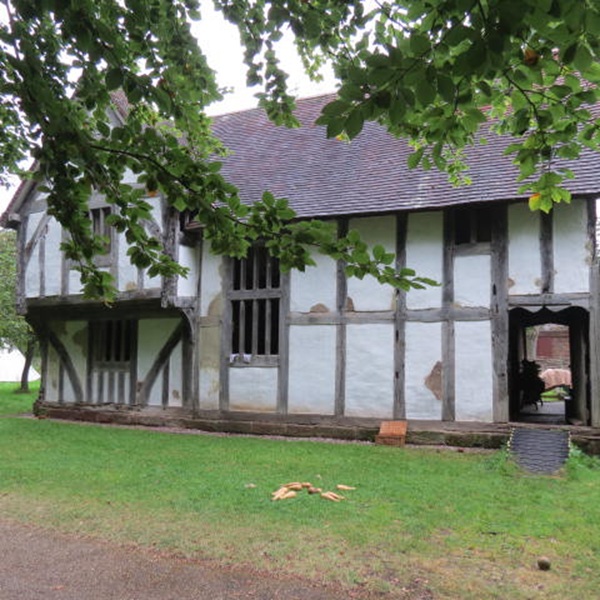
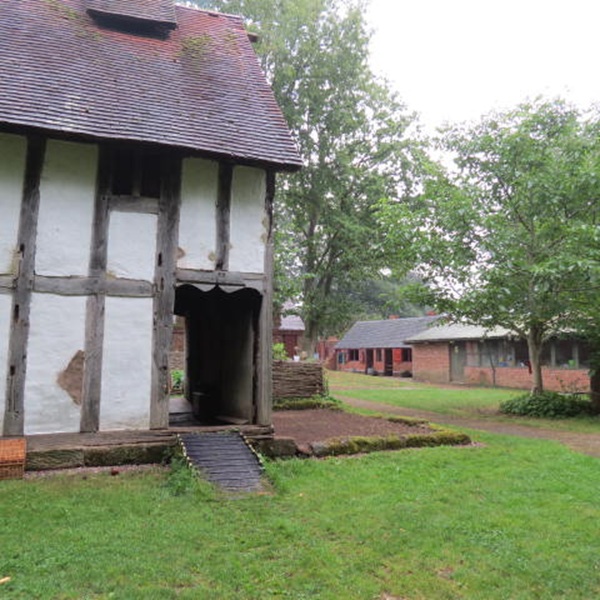
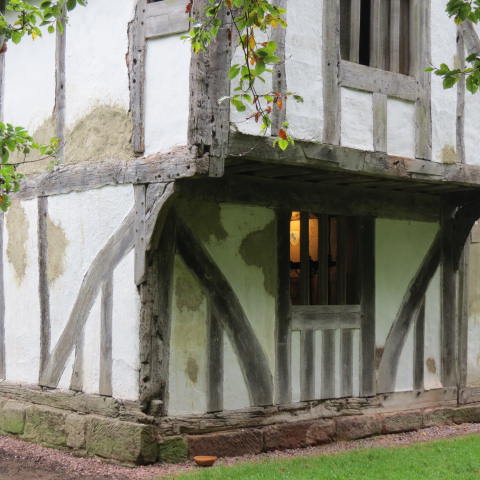
A chain-making shop from the 19th century.
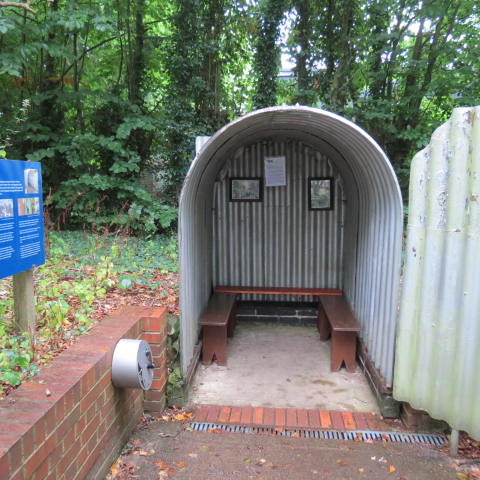
Before World War II, the Anderson shelter was given to households free for low earners or they could be bought for £7. The shelters could fit up to 6 people and were half-buried in the ground.
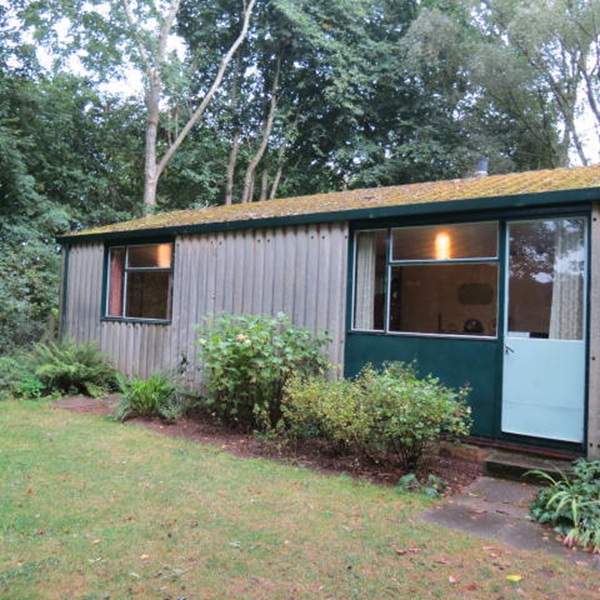
The Arcon Mk V prefab house was part of the emergency building programme following the bombings and the destruction of millions of homes during the war.
Alongside all the buildings, there are a few open green spaces. This one is full of apple trees which are used to produce traditional cider every year at Avoncroft. You can buy a bottle in the shop when available.

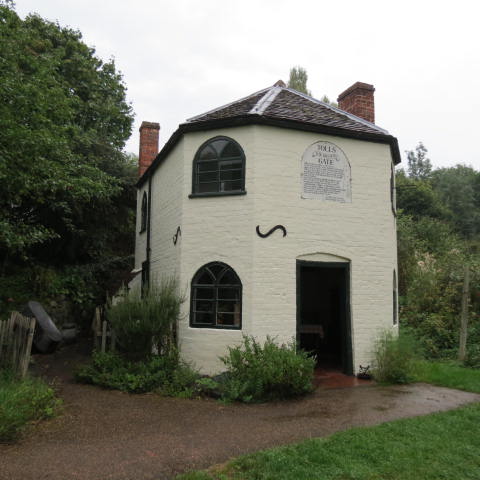
The tollhouse, made of Malvern stone, was used to collect tolls from those travelling along the roads back in the 19th century. You can go inside this one.
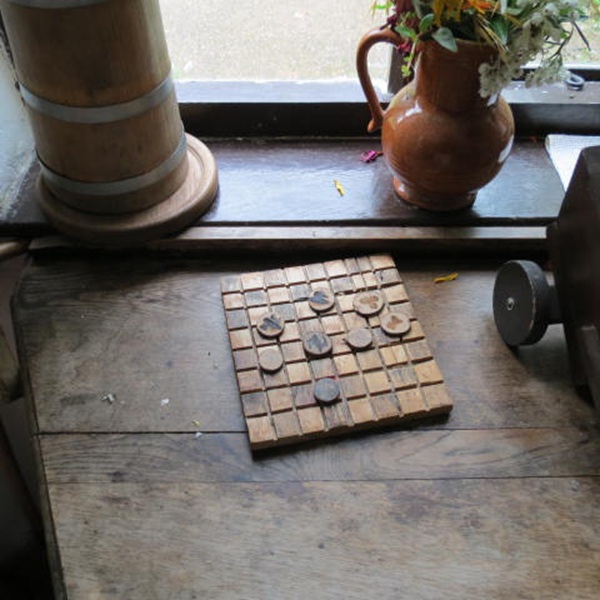
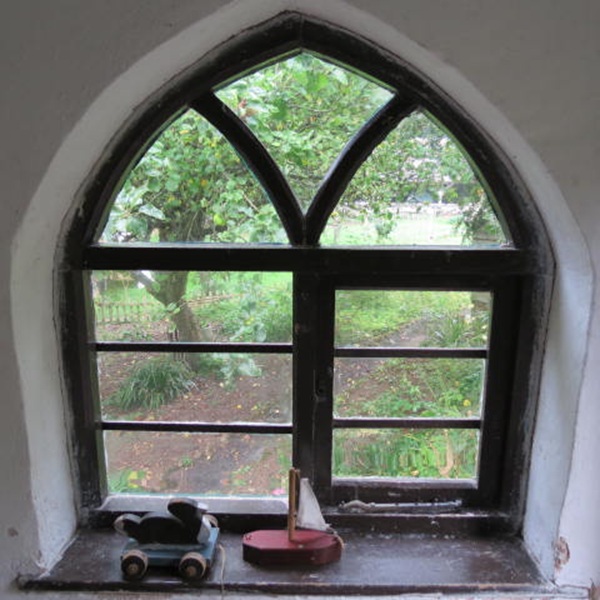
Plas Cadwgan (Cadwgan Hall) was originally a medieval hall house from the 14th century.
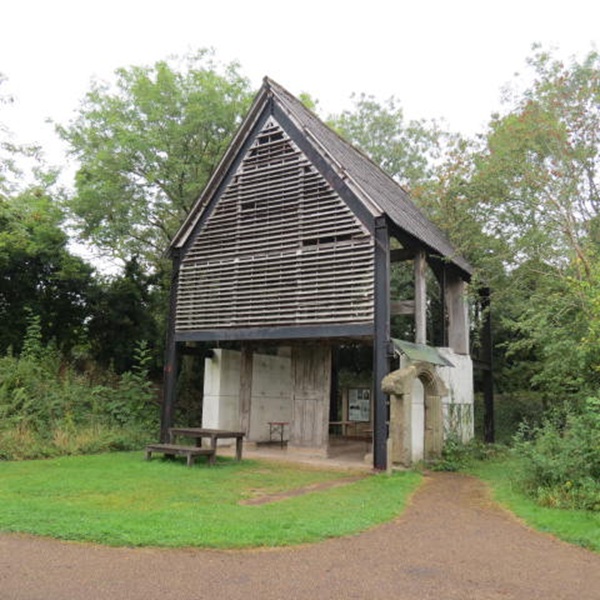
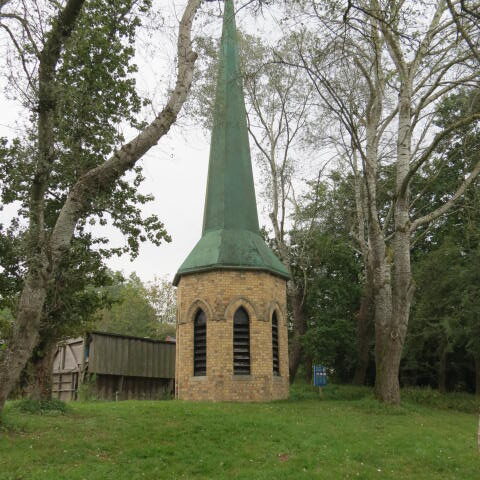
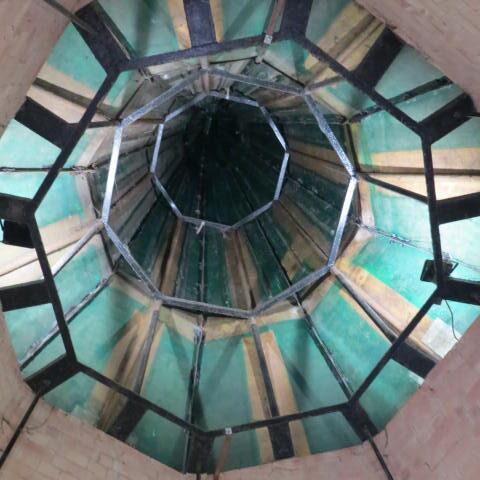
The spire was originally part of St Paul’s church in Smethwick in the West Midlands. I took a photo of the inside of the spire – I love the colour of it.
The people who lived in this cottage with its forge would have repaired coaches and shod horses in the 18th century.
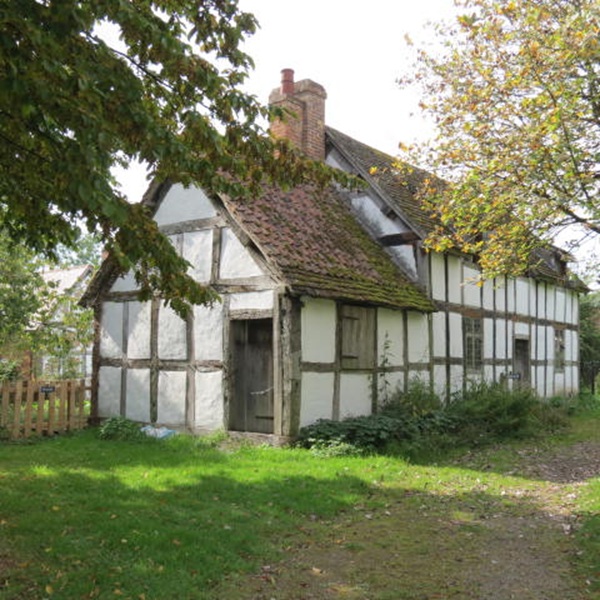
There is plenty of other buildings and other structures to see in this fantastic open-air museum.
Sometimes we take for granted the things we have now, so I like to sit awhile and appreciate how things were made, how people lived, and what they had to endure all those years ago. Avoncroft provided me with that opportunity. It is more than a collection of historic buildings; it is a place where the past feels tangible, inviting visitors to step into another age and imagine the daily realities of those who came before us. Walking through its grounds, I found myself reflecting on the ingenuity, resilience and hard work of ordinary lives long before the conveniences we now enjoy.
With its impressive collection of rescued historic buildings, living history demonstrations and cosy tearoom, Avoncroft offers a fascinating glimpse into Britain’s past. Whether you’re interested in history, architecture or just looking for a relaxing day out, there’s plenty to enjoy. We thoroughly enjoyed wandering around the site and learning more about the past.
I took the information about the buildings from the souvenir guide I picked up, which you can also find on Avoncroft’s website. The map of the site is also on there.
Avoncroft Museum of Historic Buildings – A Perfect Family Day Out